
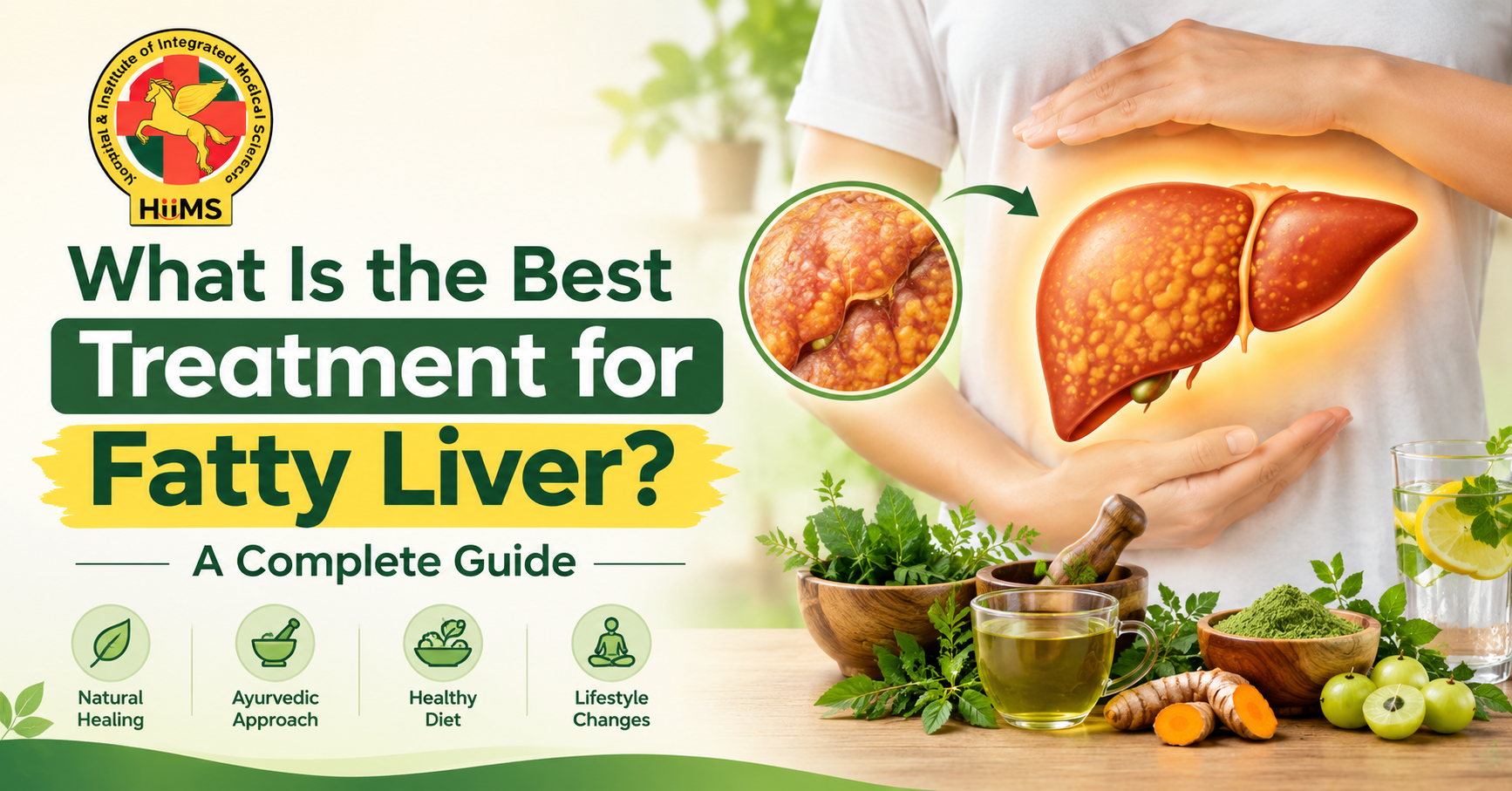
Fatty liver is a common condition in which excess fat accumulates in the liver. The liver plays an important role in digestion, metabolism, detoxification, and maintaining overall balance in the body. When fat starts building up in the liver, it can affect its normal functioning and may gradually become a more serious concern if proper care is not taken.
A healthy lifestyle, balanced diet, regular physical activity, and appropriate Ayurvedic care can support liver health. Understanding the condition and making consistent changes can be an important part of managing fatty liver naturally.
What Is Fatty Liver?
Fatty liver occurs when an excessive amount of fat accumulates in liver cells. A small amount of fat in the liver can be normal, but excessive accumulation may indicate an underlying imbalance.
Fatty liver can develop in different forms and may range from an early stage to more advanced liver-related complications. Therefore, identifying the condition at an appropriate stage and adopting healthy habits can be important for maintaining liver function.
What Is the Best Treatment for Fatty Liver?
The best approach for fatty liver generally involves a combination of dietary improvements, physical activity, healthy daily habits, and supportive Ayurvedic care. There is no single approach that works identically for everyone because lifestyle, eating habits, body composition, and overall health can differ.
1. Follow a Liver-Friendly Diet
Diet plays an important role in supporting liver health. Regularly consuming highly processed foods, excessive sugar, fried foods, and heavy meals can make healthy weight and metabolic balance more difficult to maintain.
A liver-friendly eating pattern can include:
- Fresh seasonal vegetables
- Whole grains in appropriate portions
- Fresh fruits with controlled portions
- Legumes and pulses
- Nuts and seeds
- Adequate water
- Light and freshly prepared meals
Reducing packaged foods, sugary beverages, excessive sweets, deep-fried foods, and highly processed snacks can support healthier dietary habits.
2. Maintain a Healthy Weight
Maintaining a healthy body weight is an important part of fatty liver management. Excess body weight, particularly around the abdomen, may be associated with increased fat accumulation in the liver.
Instead of following extreme diets, focus on sustainable eating habits and gradual lifestyle improvements. A balanced routine can be easier to maintain over the long term.
3. Include Regular Physical Activity
Physical activity can support metabolism and overall liver health. People with fatty liver can consider activities according to their individual fitness level.
Walking, yoga, stretching, breathing exercises, and other forms of regular movement can become part of a healthy daily routine.
Even small changes, such as taking regular walking breaks, choosing stairs when appropriate, and reducing prolonged sitting, can contribute to a more active lifestyle.
How Can Ayurveda Support Fatty Liver Management?
Ayurveda focuses on maintaining balance within the body through diet, lifestyle, daily routines, and individualized approaches. Liver health is traditionally associated with maintaining healthy digestion and metabolic balance.
Ayurvedic care for fatty liver may focus on improving dietary discipline, supporting digestion, encouraging healthy routines, and maintaining overall metabolic wellness.
Ayurvedic Herbs and Formulations
Certain herbs have traditionally been used in Ayurveda to support digestion and liver wellness. The choice of herbs or formulations should be based on an individual's health condition, constitution, existing medicines or supplements, and professional assessment.
Self-medication with concentrated herbal products is not recommended simply because a product is described as natural.
What Lifestyle Changes Can Help Manage Fatty Liver?
Lifestyle consistency is one of the most important aspects of supporting liver health. Along with dietary changes, several daily habits can help create a healthier routine.
Eat at Regular Times
Irregular eating patterns and frequent heavy meals may make it difficult to maintain healthy digestion. Try to maintain consistent meal timings and avoid unnecessary late-night eating.
Stay Hydrated
Adequate hydration supports normal body functions. Water can be preferred over sugary drinks, packaged juices, and sweetened beverages.
Get Adequate Sleep
A consistent sleep schedule is an important part of overall metabolic wellness. Aim for a regular sleep and wake routine and avoid excessive screen exposure before bedtime.
Reduce Stress
Long-term stress can influence eating habits, sleep, physical activity, and overall lifestyle. Yoga, meditation, breathing practices, nature walks, and other relaxation techniques may help support a balanced routine.
Which Foods Should Be Limited in Fatty Liver?
While dietary requirements can vary, limiting certain food categories may help create a healthier eating pattern.
Consider reducing:
- Sugary drinks and sweetened beverages
- Excess sweets and desserts
- Deep-fried foods
- Highly processed snacks
- Refined foods in excessive quantities
- Excessive portions of calorie-dense foods
- Frequent restaurant or fast-food meals
Instead, emphasize fresh, balanced, and appropriately portioned meals.
Which Foods Can Be Included in a Liver-Friendly Diet?
A balanced diet can include a variety of nutrient-rich foods. Vegetables, whole grains, pulses, nuts, seeds, and suitable fresh fruits can form part of a healthy eating pattern.
Green vegetables, fiber-rich foods, and freshly prepared meals can be useful choices. Portion size is also important because even nutritious foods can contribute to excessive calorie intake when consumed in large quantities.
Can Yoga Help Support Liver Health?
Yoga can be incorporated into a healthy lifestyle for people looking to improve physical activity, flexibility, breathing, and stress management.
Gentle yoga practices, breathing exercises, and meditation may help develop a more consistent wellness routine. The intensity and type of practice should be selected according to an individual's physical condition and comfort.
Yoga should complement a healthy diet and lifestyle rather than replace appropriate medical evaluation when needed.
Why Is Early Attention Important for Fatty Liver?
Fatty liver may not always produce noticeable discomfort in its early stages. Because of this, people may overlook it until it is identified during a health evaluation.
Regular health assessments can help monitor liver-related parameters and understand whether the condition is improving or progressing. Early attention also provides an opportunity to improve diet, activity, weight management, sleep, and other lifestyle factors.
How Can Jeena Sikho HiiMS Help With Fatty Liver Care?
Jeena Sikho HiiMS focuses on Ayurveda-based wellness and holistic approaches to health. For individuals concerned about fatty liver, the approach can emphasize personalized assessment, dietary discipline, lifestyle management, and appropriate Ayurvedic support.
At Jeena Sikho HiiMS, liver health-related care may involve understanding an individual's routine, food habits, lifestyle, and overall health before suggesting an appropriate wellness approach.
The focus is on developing sustainable habits rather than relying only on short-term changes.
What Should You Remember About Fatty Liver Management?

Managing fatty liver requires consistency rather than a single quick solution. A balanced diet, regular physical activity, healthy weight management, adequate sleep, stress management, and appropriate Ayurvedic guidance can collectively support liver wellness.
It is also important to avoid self-prescribing herbs or supplements without appropriate guidance. Individuals with persistent concerns or abnormal liver-related test results should seek professional evaluation and follow a suitable care plan.
Conclusion
The best treatment approach for fatty liver is one that addresses overall lifestyle and supports healthy liver function. Improving food choices, maintaining a healthy weight, exercising regularly, getting adequate sleep, managing stress, and following appropriate Ayurvedic guidance can all contribute to better liver wellness.
Jeena Sikho HiiMS provides an Ayurveda-focused approach that emphasizes individualized care, healthy lifestyle practices, dietary guidance, and holistic wellness. With consistent habits and appropriate professional guidance, individuals can take meaningful steps toward supporting their liver health and overall well-being.