
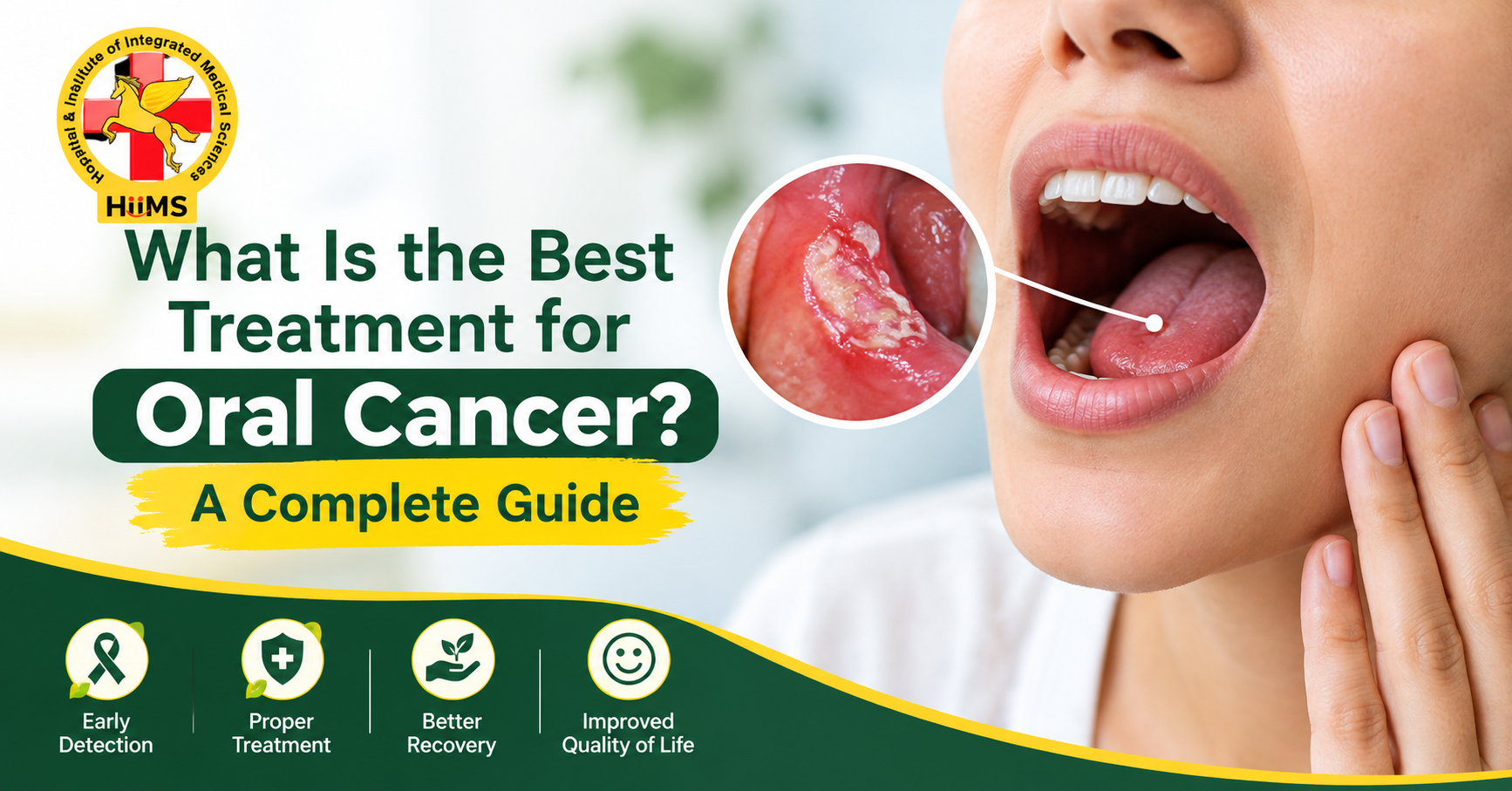
Oral cancer is a serious condition that can affect different parts of the mouth, including the lips, tongue, gums, inner cheeks, floor of the mouth, and throat area. Early attention to unusual changes in the mouth is important because timely diagnosis and appropriate care can significantly influence the overall management of the condition.
When looking for the best treatment for oral cancer, it is important to understand that there is no single approach suitable for every person. Treatment planning depends on the location and extent of the disease, overall health, nutritional status, and other individual factors. Alongside appropriate medical supervision, supportive approaches may focus on nutrition, digestion, lifestyle, immunity, stress management, and overall well-being.
What Is Oral Cancer?
Oral cancer refers to abnormal and uncontrolled growth of cells in tissues of the mouth or surrounding oral structures. It may develop on the tongue, lips, gums, cheeks, palate, or other areas.
Some changes can initially appear similar to common mouth problems. Persistent ulcers, unusual patches, swelling, bleeding, difficulty swallowing, or a lump should therefore not be ignored, particularly when they do not improve over time.
A healthcare professional should evaluate any persistent or suspicious oral changes so that the underlying condition can be properly identified.
What Is the Best Treatment for Oral Cancer?
The best treatment for oral cancer depends on the individual condition and should be determined after proper diagnosis and staging. There is no universal treatment that works in the same way for every patient.
For people exploring holistic care, Ayurveda may be considered as a supportive approach under qualified professional supervision. The focus may include improving diet and digestion, supporting strength and nutrition, maintaining healthy daily routines, and helping the person cope with the physical and emotional challenges associated with cancer.
It is important to remember that supportive Ayurvedic care should not be considered a substitute for necessary cancer evaluation or urgent specialist care.
Ayurvedic Perspective on Oral Health
Ayurveda emphasizes maintaining balance among the body's functional systems and gives importance to digestion, nutrition, daily habits, oral hygiene, and overall lifestyle.
From an Ayurvedic perspective, maintaining healthy digestion and eliminating unhealthy dietary and lifestyle patterns can be an important part of supportive wellness care. Individualized recommendations may be developed according to a person's constitution, strength, digestive condition, dietary habits, and overall health.
Because cancer is a complex condition, Ayurvedic medicines or procedures should only be considered after consultation with a qualified practitioner who understands the patient's complete medical history.
Importance of Early Diagnosis
Early evaluation is one of the most important steps when oral cancer is suspected. Symptoms that continue for several weeks should receive professional attention rather than being managed only with home remedies.
Possible warning signs may include:
- A mouth ulcer that does not heal
- Persistent pain or irritation in the mouth
- Unexplained bleeding
- A lump or thickened area
- White or red patches
- Difficulty chewing or swallowing
- Persistent hoarseness or throat discomfort
- Numbness of the lip, tongue, or mouth
- Unexplained loosening of teeth
- Difficulty moving the jaw or tongue
These symptoms do not necessarily mean cancer, but persistent changes require proper evaluation.
Role of Nutrition During Oral Cancer Care
Nutrition can become particularly important when a person is dealing with oral cancer because eating and swallowing may become uncomfortable. Maintaining adequate nourishment can help support strength and general well-being.
A personalized diet may include easily digestible and appropriately textured foods according to the person's tolerance. Adequate protein, calories, fluids, fruits, vegetables, and other nutrient-rich foods can be considered as part of an individualized nutritional plan.
If chewing or swallowing is difficult, a qualified nutrition professional can help modify food consistency while maintaining adequate nutritional intake.
Highly processed foods, excessive sugary foods, tobacco, and other unhealthy habits should be avoided. Alcohol and tobacco exposure are particularly important risk factors for oral cancer and should be discussed with a healthcare professional.
Importance of Oral Hygiene
Good oral hygiene is an important part of maintaining comfort and oral health. Gentle cleaning of the teeth, gums, tongue, and mouth can help maintain cleanliness.
However, people with oral lesions, bleeding, severe pain, or significant sensitivity should avoid aggressive brushing or irritating substances. Any oral-care routine should be adapted according to the individual's condition.
Self-treatment of persistent ulcers or lesions should also be avoided because it can delay appropriate diagnosis.
Ayurvedic Supportive Care
Ayurvedic care for a person with oral cancer should be individualized rather than based on a single medicine or remedy. Depending on the person's overall condition, supportive care may focus on digestion, dietary habits, sleep, stress management, hydration, and maintaining general strength.
Some Ayurvedic formulations are traditionally used for general wellness and may be suggested by qualified practitioners in selected circumstances. However, cancer patients should not start herbal medicines independently.
Certain herbs and supplements can interact with medicines or may not be appropriate for people with particular health conditions. Therefore, every supplement or Ayurvedic preparation should be discussed with the treating healthcare team.
Lifestyle Changes That May Support Overall Well-Being
Healthy daily habits can play an important role in supportive cancer care. Patients can focus on maintaining a regular sleep schedule, staying adequately hydrated, eating nourishing foods, and engaging in gentle physical activity according to their strength and professional advice.
Stress management can also be valuable. Breathing exercises, meditation, relaxation practices, and adequate rest may help a person manage the emotional burden associated with a serious diagnosis.
Most importantly, tobacco use in any form should be stopped. Maintaining a tobacco-free lifestyle is an important part of oral health.
Why Individualized Care Matters?
Every oral cancer patient is different. The location of the disease, stage, symptoms, nutritional condition, age, existing health concerns, and overall strength can vary considerably.
For this reason, generalized remedies found online should not be treated as a complete treatment plan. A qualified healthcare professional should assess the individual's condition before recommending medicines, supplements, dietary changes, or supportive therapies.
A comprehensive approach may combine appropriate cancer evaluation with supportive measures designed around the person's specific needs.
Oral Cancer Care at Jeena Sikho HiiMS
Jeena Sikho HiiMS focuses on holistic healthcare and supportive wellness approaches. Individuals seeking Ayurvedic guidance for oral cancer can discuss their health history, nutritional concerns, lifestyle, and overall condition with qualified healthcare professionals.
The approach should remain personalized because cancer care requires careful assessment rather than a one-size-fits-all remedy. Patients should maintain communication with their cancer-care professionals while exploring any complementary or Ayurvedic support.
When Should You Seek Immediate Medical Attention?
Persistent oral symptoms should not be ignored. Professional evaluation becomes particularly important when an ulcer, lump, bleeding area, patch, swelling, or unexplained pain continues or becomes worse.
Difficulty breathing, significant difficulty swallowing, uncontrolled bleeding, severe dehydration, or rapidly worsening symptoms require urgent medical attention.
Avoid delaying evaluation in the hope that a home remedy or herbal preparation will resolve a potentially serious condition.

Conclusion
Oral cancer requires proper diagnosis and individualized care based on the person's condition and overall health. Ayurvedic and holistic approaches may have a supportive role in areas such as nutrition, lifestyle, digestion, stress management, oral wellness, and general well-being. However, they should be used responsibly and under qualified professional guidance rather than as a replacement for necessary cancer assessment and care.
At Jeena Sikho HiiMS, individuals can seek personalized guidance regarding holistic health and supportive Ayurvedic care. If you notice a persistent mouth ulcer, lump, unusual patch, bleeding, or other unexplained oral change, seek professional evaluation promptly.