
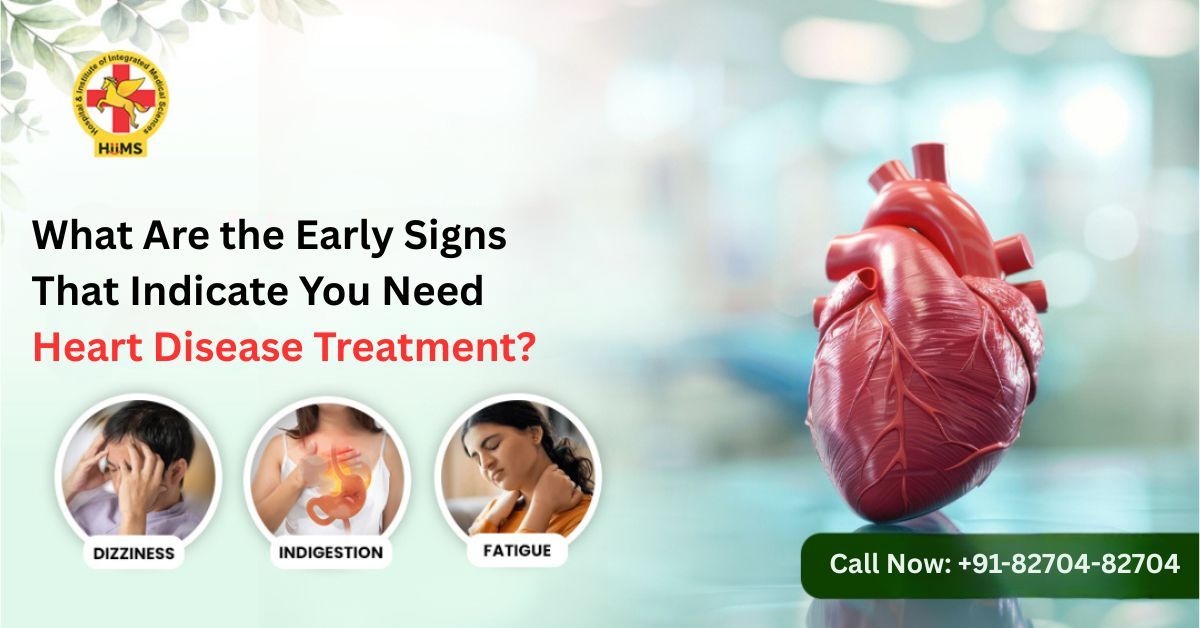
Heart disease is one of the most common health concerns affecting people worldwide. Many individuals ignore the early warning signs because they appear mild or are mistaken for everyday fatigue, stress, or aging. Recognizing these symptoms at the right time can help prevent serious complications and support better heart health. Understanding the body's signals is essential for seeking appropriate care and making necessary lifestyle changes.
At Jeena Sikho HiiMS, awareness about heart health is encouraged so that individuals can identify potential concerns early and take timely action. Knowing the early signs of heart disease can help you make informed decisions about your well-being.
Understanding Heart Disease
Heart disease is a broad term used to describe various conditions that affect the heart and blood vessels. These conditions may impact the heart's ability to pump blood efficiently throughout the body. While symptoms can vary from person to person, many warning signs develop gradually and should not be overlooked.
Early detection plays an important role in managing heart-related concerns. Paying attention to unusual changes in your body can help identify potential issues before they become severe.
1. Chest Discomfort or Pressure
One of the most recognized signs of heart disease is chest discomfort. People often describe it as pressure, tightness, heaviness, or a squeezing sensation in the chest. This discomfort may occur during physical activity or emotional stress and sometimes improves with rest.
Although chest pain does not always indicate a heart condition, recurring discomfort should never be ignored. If the sensation becomes frequent or persistent, it may signal an underlying heart issue that requires attention.
2. Shortness of Breath
Feeling breathless after intense physical activity is normal, but experiencing shortness of breath during routine tasks can be a warning sign. Some individuals notice difficulty breathing while walking, climbing stairs, or even resting.
When the heart struggles to pump blood effectively, the body may not receive enough oxygen, leading to breathlessness. This symptom often develops gradually and may become more noticeable over time.
3. Unusual Fatigue
Persistent fatigue is another early indicator that should not be overlooked. Many people assume tiredness is caused by a busy schedule or lack of sleep, but ongoing exhaustion can sometimes be linked to heart-related concerns.
If you find yourself feeling unusually tired after performing simple daily activities or if your energy levels have significantly decreased without a clear reason, it may be worth paying attention to this change.
4. Irregular Heartbeat or Palpitations
The heart naturally speeds up during exercise or stressful situations. However, frequent episodes of a racing, fluttering, or irregular heartbeat may indicate a potential concern.
Some people describe palpitations as a feeling that the heart is skipping beats or beating too hard. Occasional palpitations can occur for many reasons, but repeated episodes should be monitored carefully.
5. Swelling in the Legs, Ankles, or Feet
Swelling in the lower parts of the body can occur when the heart is unable to circulate blood efficiently. This may cause fluid retention in the legs, ankles, and feet.
Many individuals notice that their shoes feel tighter or that swelling becomes more apparent by the end of the day. Persistent swelling should not be ignored, especially when accompanied by other symptoms related to heart health.
6. Dizziness and Light headedness
Feeling dizzy occasionally may result from dehydration or sudden changes in position. However, frequent dizziness or light headedness can sometimes indicate reduced blood flow to the brain.
If these episodes occur repeatedly or are associated with weakness, fatigue, or shortness of breath, they may suggest that the heart is not functioning optimally.
7. Pain in Other Areas of the Body
Heart-related discomfort is not always limited to the chest. Some individuals experience pain that spreads to the shoulders, arms, neck, jaw, or upper back.
This discomfort may come and go or feel different from typical muscle pain. Because these symptoms can be subtle, many people fail to connect them with heart health concerns.
8. Excessive Sweating
Unexpected sweating without physical exertion can be another warning sign. Cold sweats or excessive perspiration may occur even in comfortable temperatures.
While sweating can result from many factors, unexplained episodes combined with other symptoms such as chest discomfort or dizziness should be taken seriously.
9. Difficulty Sleeping
Some individuals with heart-related concerns notice changes in their sleep patterns. They may struggle to fall asleep, wake up frequently during the night, or feel uncomfortable when lying flat.
Poor sleep quality can affect overall well-being and may sometimes be associated with underlying cardiovascular issues. Paying attention to changes in sleeping habits can help identify potential concerns early.
10. Persistent Cough
A long-lasting cough, especially when accompanied by breathing difficulties, can sometimes be linked to heart health. This symptom may develop when fluid accumulates in the lungs due to reduced heart function.
Although coughs are commonly associated with respiratory conditions, a persistent cough that does not improve should be evaluated carefully.
Risk Factors That Increase the Need for Attention
Certain factors can increase the likelihood of developing heart disease. These include:
- High stress levels
- Lack of physical activity
- Unhealthy dietary habits
- Excess body weight
- Smoking and tobacco use
- Family history of heart conditions
- Advancing age
People with these risk factors should be especially mindful of any unusual symptoms and prioritize regular health monitoring.
The Importance of Early Recognition
Many heart conditions develop gradually, making early symptoms easy to overlook. Unfortunately, delaying attention can allow the condition to progress. Recognizing warning signs early provides an opportunity to address concerns before they become more serious.
Being proactive about heart health involves paying attention to physical changes, maintaining a healthy lifestyle, and seeking guidance when symptoms persist. Small changes in daily habits can contribute significantly to overall cardiovascular wellness.
How Jeena Sikho HiiMS Supports Heart Health Awareness?
Jeena Sikho HiiMS focuses on promoting awareness about various health conditions, including heart-related concerns. Understanding the early signs of heart disease can help individuals make informed decisions regarding their health. Through patient education and a holistic approach to wellness, Jeena Sikho HiiMS encourages people to prioritize preventive care and healthy living practices.

Conclusion
Heart disease often develops with subtle warning signs that should not be ignored. Symptoms such as chest discomfort, shortness of breath, unusual fatigue, irregular heartbeat, swelling in the legs, dizziness, and excessive sweating may indicate the need for heart disease treatment. Early recognition and timely attention can play an important role in maintaining heart health and preventing complications.
By staying aware of these symptoms and adopting healthy lifestyle habits, individuals can take meaningful steps toward supporting their long-term cardiovascular well-being. Jeena Sikho HiiMS emphasizes the importance of awareness and proactive care to help people stay informed about their heart health.