
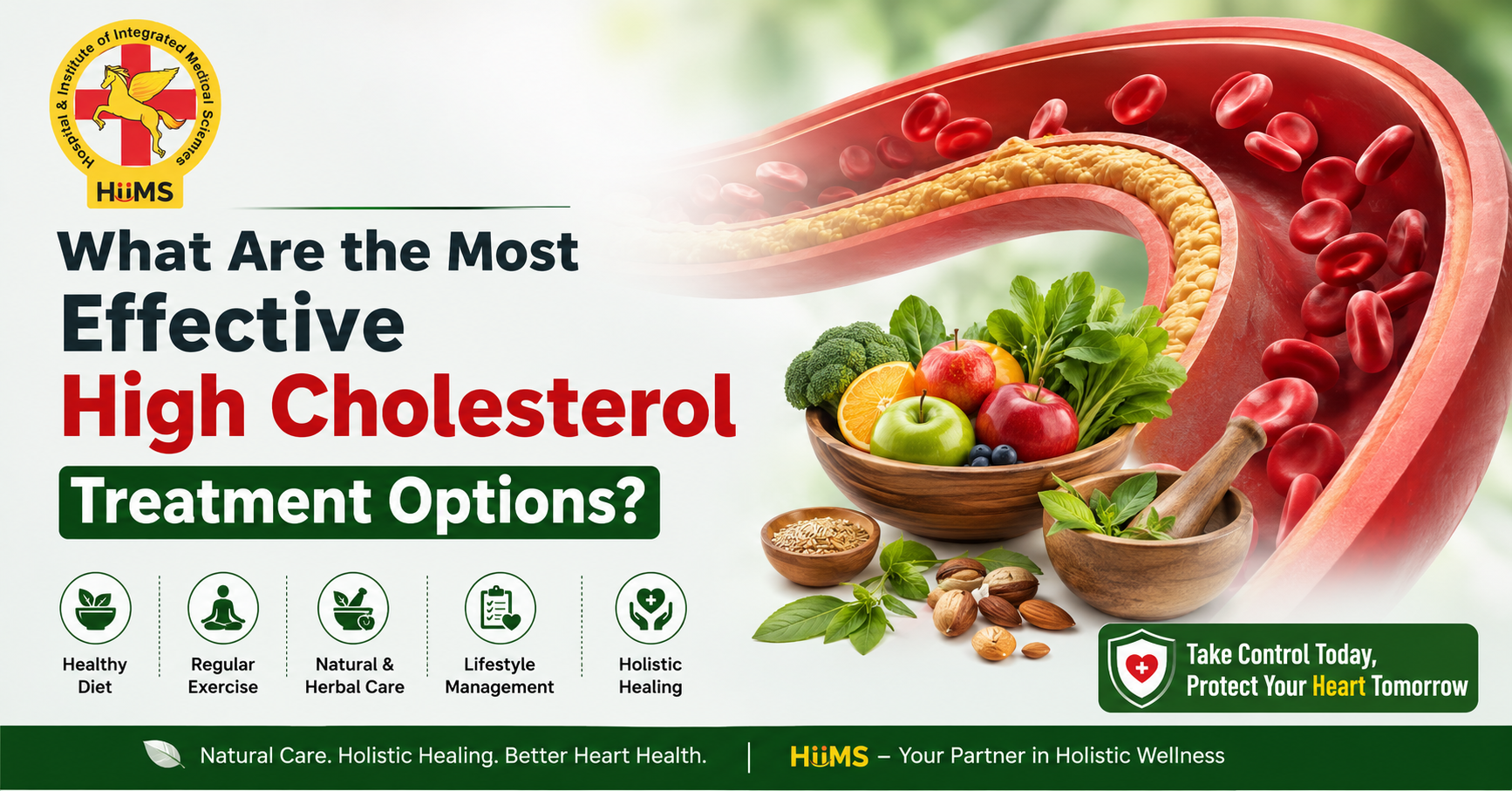
High cholesterol is a common health concern that can affect heart and blood vessel health over time. In particular, elevated LDL cholesterol can contribute to the buildup of fatty deposits in arteries. Managing cholesterol is therefore not only about lowering a laboratory number but also about supporting overall cardiovascular health.
The most effective approach generally combines healthy lifestyle habits, appropriate dietary changes, regular physical activity, weight management, stress reduction, and personalized medical guidance. Current cholesterol guidelines also emphasize assessing an individual's overall cardiovascular risk rather than looking at cholesterol levels in isolation.
Understanding High Cholesterol
Cholesterol is a waxy substance that the body needs for several important functions. It helps support cell membranes and is involved in producing certain hormones and other substances. However, excessive amounts of certain blood lipids can increase cardiovascular risk.
LDL is commonly referred to as "bad" cholesterol because higher levels are associated with plaque formation in the arteries. HDL is often called "good" cholesterol because it participates in transporting cholesterol back toward the liver. Triglycerides are another type of blood fat that should also be considered when evaluating lipid health.
A lipid profile can provide information about total cholesterol, LDL cholesterol, HDL cholesterol, and triglycerides. Depending on an individual's health history and risk factors, additional measurements such as lipoprotein(a) or apolipoprotein B may also be considered.
1. Improve Your Daily Diet
Diet is one of the most important foundations of cholesterol management. A heart-supportive eating pattern should emphasize vegetables, fruits, whole grains, beans, legumes, nuts, seeds, and healthy sources of protein.
Reducing foods high in saturated fat can be particularly useful for lowering LDL cholesterol. Examples include heavily fried foods, fatty meat, highly processed foods, and some high-fat dairy products.
Instead, choose foods containing healthier unsaturated fats and include plenty of plant-based foods. Current dietary guidance also recommends minimizing highly processed foods and excessive added sugars.
2. Increase Soluble Fibre Intake
Soluble fibre can play an important role in cholesterol management. It is found naturally in foods such as oats, beans, lentils, fruits, and some vegetables.
Soluble fibre can help reduce the absorption of cholesterol in the digestive tract. Increasing fibre gradually while maintaining adequate hydration can make dietary changes easier to sustain.
Rather than relying on a single food or drink, focus on making fibre-rich foods a regular part of everyday meals. The NHLBI Therapeutic Lifestyle Changes approach specifically emphasizes increasing soluble fibre as part of cholesterol management.
3. Maintain a Healthy Weight
Excess body weight can be associated with an unfavorable cholesterol and triglyceride profile. Achieving and maintaining a healthy weight can therefore be an important part of managing high cholesterol.
Weight management does not necessarily require extreme dieting. Sustainable changes such as controlling portion sizes, choosing nutrient-rich foods, reducing highly processed snacks, and staying physically active can support gradual improvement.
Even modest weight reduction may improve cholesterol-related measurements in people who are overweight or obese.
4. Stay Physically Active
Regular physical activity is another important component of cholesterol management. Activities such as brisk walking, cycling, swimming, dancing, or other enjoyable forms of movement can help support cardiovascular fitness.
A commonly recommended goal is around 150 minutes of moderate-intensity physical activity per week, although the appropriate level can vary according to age, fitness, and existing health conditions.
The key is consistency. Starting with manageable activity and gradually increasing duration can make it easier to develop a long-term routine.
5. Reduce Stress and Improve Sleep
Chronic stress can make it harder to maintain healthy eating, exercise, and other lifestyle habits. Developing healthy ways to manage stress may therefore support an overall cholesterol-management plan.
Practices such as breathing exercises, meditation, yoga, walking, hobbies, and maintaining social connections may help promote relaxation.
Adequate sleep is also important. Current cardiovascular health guidance recommends prioritizing approximately 7–9 hours of restful sleep for adults.
6. Avoid Tobacco Exposure
Avoiding tobacco is an important part of protecting cardiovascular health. People who smoke or use tobacco products should consider seeking professional support to quit.
Even when cholesterol is the primary concern, cardiovascular health depends on several interconnected factors, including blood pressure, blood sugar, physical activity, weight, sleep, and tobacco exposure.
Managing these factors together can provide a more comprehensive approach to reducing long-term cardiovascular risk.
7. Consider Natural and Ayurvedic Wellness Approaches
For people interested in Ayurveda, a personalized approach may focus on improving daily routines, dietary habits, digestion, physical activity, sleep, and stress management.
At Jeena Sikho HiiMS, wellness-oriented care may include an individualized assessment of lifestyle and health concerns. The focus can be on developing sustainable habits rather than depending on a single remedy or quick solution.
It is important to remember that "natural" does not automatically mean suitable for everyone. Herbal products and supplements can interact with other treatments or may not be appropriate for certain health conditions. Therefore, any supplement or herbal preparation should be discussed with a qualified healthcare professional.
8. Monitor Cholesterol Regularly
Regular monitoring helps determine whether lifestyle changes are making a meaningful difference. A lipid profile may be recommended according to an individual's age, health status, family history, and cardiovascular risk.
Instead of focusing only on total cholesterol, it is useful to understand the complete lipid profile, including LDL, HDL, and triglycerides. In selected individuals, healthcare professionals may also consider additional markers such as Lp(a) and ApoB.
Follow-up testing can help determine whether the current lifestyle strategy needs adjustment.
9. Understand Your Personal Risk Factors
High cholesterol does not affect everyone in exactly the same way. Family history, age, diabetes, blood pressure, smoking, kidney-related health issues, previous cardiovascular disease, and other factors can influence overall risk.
For this reason, the most appropriate cholesterol-management strategy should be individualized.
The 2026 dyslipidaemia guideline emphasizes assessing overall cardiovascular risk and using personalized risk information when deciding how aggressively cholesterol should be managed.
10. Follow a Consistent Long-Term Routine
One of the biggest challenges in cholesterol management is maintaining healthy habits over the long term. Short-term diets or drastic lifestyle changes may be difficult to sustain.
Instead, make practical changes that can become part of everyday life. Choose healthier foods most of the time, stay active, maintain a healthy weight, sleep adequately, manage stress, and attend recommended health checkups.
Keeping a simple record of meals, physical activity, weight, and laboratory results may also help identify patterns and maintain motivation.
How Can Jeena Sikho HiiMS Support a Healthier Lifestyle?
Jeena Sikho HiiMS focuses on a holistic approach to health and lifestyle management. For individuals concerned about high cholesterol, an individualized assessment can help identify dietary patterns, activity levels, daily routines, and other factors that may require attention.
The goal should be to understand the factors contributing to poor metabolic health and develop practical habits that can be followed consistently. Lifestyle-focused care can be combined with regular health monitoring so that progress can be evaluated over time.
People with significantly abnormal cholesterol levels or other cardiovascular risk factors should not delay professional evaluation while trying home or natural approaches.
Conclusion
The most effective high cholesterol treatment approach is usually a comprehensive and personalized one. A balanced diet, increased soluble fibre, regular physical activity, healthy weight management, adequate sleep, stress control, and avoidance of tobacco can all contribute to better cardiovascular health.
Ayurvedic and lifestyle-based wellness approaches may also be considered as part of an individualized health plan, including guidance from Jeena Sikho HiiMS. However, cholesterol levels should be monitored appropriately, and people with very high cholesterol or significant cardiovascular risk should seek qualified medical evaluation.
Rather than looking for a single "best" remedy, focus on sustainable lifestyle improvements and regular monitoring. Consistency is one of the most important factors in supporting healthier cholesterol levels and long-term heart health.