
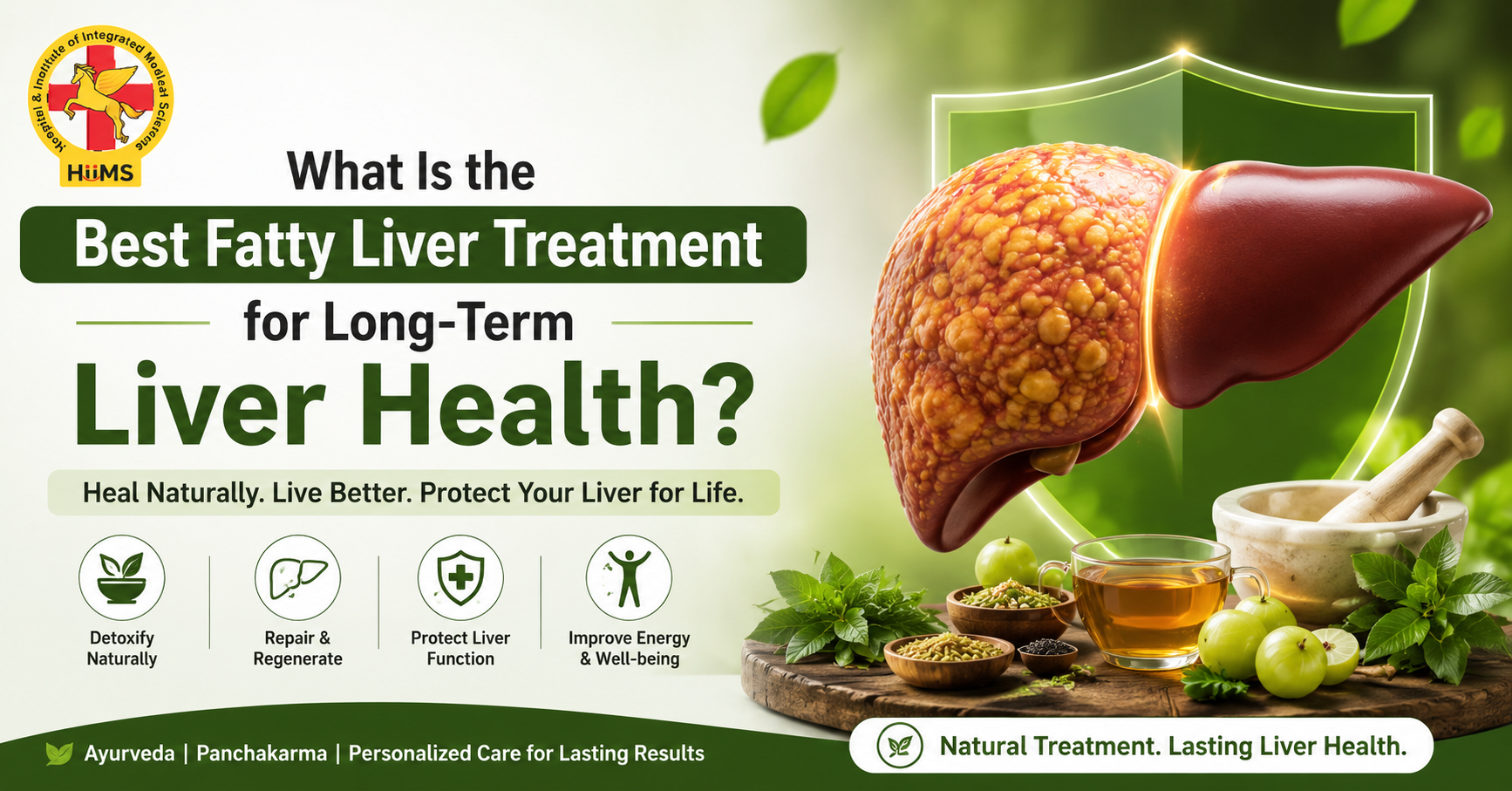
Fatty liver is a common liver condition in which excess fat accumulates inside the liver. In its early stages, it may not cause noticeable symptoms, but if left unmanaged, ongoing fat accumulation and inflammation can affect overall liver health. Long-term liver care therefore focuses on identifying contributing factors, improving daily habits, maintaining a healthy weight, and supporting the body's natural metabolic balance.
The best approach to fatty liver treatment is not simply about looking for a quick solution. It is about making sustainable changes that can support liver function over time. At Jeena Sikho HiiMS, the approach to fatty liver care focuses on understanding the individual's health condition and encouraging healthier dietary and lifestyle practices.
What Is Fatty Liver?
Fatty liver occurs when excess fat builds up in the liver. A person can have fatty liver without experiencing obvious symptoms, which is why it is sometimes identified during routine health evaluations or abdominal investigations.
Fat accumulation in the liver is often associated with factors such as excess body weight, poor dietary habits, reduced physical activity, insulin resistance, and metabolic imbalance. In some people, the condition may progress from simple fat accumulation to inflammation and liver scarring.
Because the liver plays an important role in digestion, metabolism, detoxification, and nutrient processing, maintaining its long-term health is important for overall well-being.
Why Is Long-Term Fatty Liver Management Important?
Fatty liver should not be considered only a temporary digestive concern. Persistent liver fat can be associated with inflammation and, in some cases, fibrosis or scarring.
Long-term management aims to reduce factors that contribute to excess liver fat while supporting healthier body weight, food choices, physical activity, sleep, and metabolic health.
The goal is not merely to improve a report temporarily but to develop habits that can be continued for months and years.
What Is the Best Fatty Liver Treatment Approach?
There is no single treatment that works identically for every person with fatty liver. A comprehensive approach generally includes dietary improvement, gradual weight management, regular physical activity, adequate sleep, stress management, and periodic health monitoring.
For people who are overweight, gradual weight reduction can help decrease liver fat. Research-based guidance also emphasizes healthy eating and physical activity as important components of fatty liver management.
1. Follow a Liver-Friendly Diet
Food choices have an important role in managing fatty liver. A balanced diet should focus on natural, nutrient-rich foods rather than highly processed meals.
Include more:
- Fresh vegetables and seasonal fruits
- Whole grains and traditional grains
- Pulses and legumes
- Appropriate sources of protein
- Nuts and seeds in suitable portions
- Healthy fats in moderation
- Adequate water throughout the day
At the same time, it is helpful to reduce foods and beverages containing excessive added sugar, refined carbohydrates, and unhealthy fats. Sugary drinks and foods high in simple sugars can contribute to excessive calorie intake and metabolic problems.
2. Focus on Healthy Weight Management
Excess body weight is strongly associated with fatty liver. If a person is overweight, gradual and sustainable weight reduction may help reduce fat accumulation in the liver.
The focus should be on healthy habits rather than crash diets or extreme calorie restriction. A practical plan should consider the person's age, body composition, activity level, food preferences, and existing health concerns.
Even modest weight loss can be meaningful. Research indicates that losing around 3% to 5% of body weight may reduce liver fat, while greater gradual weight loss may provide additional improvements in inflammation and liver health.
3. Make Physical Activity Part of Daily Life
Regular movement can support healthy metabolism and weight management. Physical activity does not necessarily mean intense workouts.
Depending on an individual's fitness level, activities may include:
- Brisk walking
- Yoga
- Cycling
- Swimming
- Stretching
- Strength-building exercises
- Other enjoyable forms of regular movement
Consistency is more important than exercising intensely for a few days and then stopping. Building a routine that can be followed throughout the year can make physical activity easier to maintain.
Regular physical activity can also support weight management, even when changes on the weighing scale are gradual.
4. Reduce Excess Sugar and Processed Foods
One of the simplest dietary improvements for fatty liver management is reducing unnecessary sugar and highly processed foods.
Sweetened beverages, packaged snacks, desserts, refined foods, and frequent consumption of high-calorie meals can make healthy weight management more difficult.
Instead, choose minimally processed foods and pay attention to portion sizes. NIDDK guidance recommends limiting foods and drinks containing large amounts of simple sugars, particularly fructose-containing sweetened beverages.
5. Maintain Healthy Daily Routines
Liver health is influenced by overall lifestyle, not just food. A consistent routine can make healthy habits easier to maintain.
Try to:
- Maintain regular meal timings
- Stay physically active during the day
- Get adequate restorative sleep
- Avoid unnecessary overeating
- Drink sufficient water
- Manage daily stress
- Limit sedentary periods
- Maintain a healthy body weight
Small improvements practiced consistently can be more sustainable than making several drastic changes at once.
6. Avoid Alcohol and Other Liver Stressors
If you have fatty liver, avoiding or minimizing alcohol is an important part of protecting liver health because alcohol can contribute to further liver damage.
It is also important to avoid taking herbal products, supplements, or traditional remedies simply because they are marketed as "natural." Natural products are not automatically suitable for everyone. Discuss any supplement or herbal preparation with a qualified healthcare professional, particularly if you already have liver disease.
7. Monitor Your Liver Health Regularly
Fatty liver can sometimes progress without obvious symptoms. Therefore, regular health evaluation can help monitor changes over time.
Depending on an individual's condition, healthcare professionals may evaluate medical history, weight, blood tests, metabolic health, and liver-related investigations. Imaging or other assessments may also be recommended when appropriate.
Regular monitoring is particularly important when fatty liver is accompanied by obesity, diabetes, abnormal blood lipids, or other metabolic concerns.
How Can Jeena Sikho HiiMS Support Fatty Liver Care?
Jeena Sikho HiiMS focuses on a holistic approach to health that emphasizes nutrition, lifestyle discipline, healthy routines, and individualized care.
For people concerned about fatty liver, the focus can include understanding their current health status, reviewing lifestyle patterns, encouraging appropriate dietary changes, and developing sustainable habits for long-term wellness.
Rather than concentrating only on short-term changes, a holistic approach aims to help individuals understand how everyday food choices, physical activity, sleep, stress, and weight management can influence overall health.
Can Fatty Liver Improve Naturally?
Fatty liver can often improve when the factors contributing to excess liver fat are addressed. Healthy eating, gradual weight management, regular physical activity, and consistent lifestyle changes are important components of long-term management.
However, the response varies from person to person. The severity of fatty liver, presence of inflammation or fibrosis, body weight, metabolic health, dietary habits, and other individual factors can influence outcomes.
Therefore, it is better to follow a personalized plan rather than relying on a single home remedy or dietary ingredient.
Foods to Include in a Fatty Liver-Friendly Lifestyle
A balanced eating pattern may include vegetables, whole grains, pulses, legumes, appropriate protein sources, nuts, seeds, and whole fruits in suitable portions.
It is generally useful to prioritize foods that provide fiber and nutrients while reducing excessive sugar, refined foods, and calorie-dense processed foods.
Portion control is equally important. Even nutritious foods can contribute to excessive calorie intake when consumed in very large quantities.
Final Thoughts
The best fatty liver treatment for long-term liver health is a comprehensive and sustainable approach rather than a quick fix. Improving food choices, maintaining a healthy weight, exercising regularly, reducing excess sugar and processed foods, avoiding alcohol, managing stress, and monitoring liver health can all contribute to better long-term care.
At Jeena Sikho HiiMS, a holistic health approach can help individuals understand the importance of lifestyle and nutrition while developing healthier daily routines.
If you have been diagnosed with fatty liver, especially if you have abnormal liver tests, significant weight concerns, diabetes, or other metabolic conditions, seek personalized guidance from a qualified healthcare professional. Early attention and consistent lifestyle changes can be valuable steps toward protecting liver health over the long term.